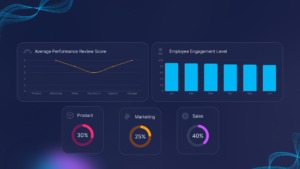
The landscape of workplace management has evolved dramatically over the past decade. Organizations that thrive today understand that their success hinges on implementing effective human resource practices that align with both business objectives and employee wellbeing. As we navigate an increasingly complex business environment, HR professionals must master a diverse set of competencies to drive organizational excellence.
Understanding the Foundation of Modern HR
Human resource practices encompass the systematic approaches organizations use to manage their workforce effectively. These practices range from talent acquisition and employee development to performance management and workforce analytics. The strategic implementation of these practices directly impacts employee engagement, retention rates, and ultimately, organizational performance.
Today’s HR landscape demands professionals who can blend traditional people management skills with data-driven decision making. This evolution has created a growing need for certified professionals who understand both the art and science of human resources.
Core Human Resource Practices Every Organization Needs
Strategic Workforce Planning
Successful organizations don’t just fill positions—they anticipate future needs and build talent pipelines accordingly. Strategic workforce planning involves analyzing current capabilities, forecasting future requirements, and developing strategies to bridge gaps. This proactive approach ensures organizations have the right people with the right skills at the right time.
Effective workforce planning requires collaboration between HR and business leaders to understand departmental needs, industry trends, and technological disruptions that may impact skill requirements. By leveraging workforce analytics, HR professionals can make informed decisions about hiring, training, and succession planning.
Talent Acquisition and Onboarding
The employee journey begins long before the first day of work. Modern talent acquisition extends beyond posting job ads to creating compelling employer brands that attract top talent. Organizations must develop streamlined recruitment processes that provide positive candidate experiences while efficiently identifying the best fits.
Once hired, comprehensive onboarding programs set the stage for long-term success. Research consistently shows that structured onboarding increases retention and accelerates time-to-productivity. Effective onboarding practices include clear role expectations, systematic training programs, mentorship opportunities, and regular check-ins during the critical first 90 days.
Performance Management Systems
Traditional annual reviews are giving way to continuous performance management approaches. Modern human resource practices emphasize regular feedback, goal alignment, and employee development over punitive evaluation systems. This shift recognizes that performance improvement requires ongoing dialogue rather than yearly assessments.
Implementing effective performance management involves setting clear objectives, providing regular coaching, recognizing achievements, and addressing performance gaps promptly. Technology platforms now enable real-time feedback and goal tracking, making performance management more dynamic and meaningful.
Learning and Development Initiatives
Organizations that invest in employee development see higher engagement, improved performance, and better retention. Comprehensive learning and development programs address both current skill gaps and future competency needs. These initiatives range from formal training programs and certifications to mentoring, job rotations, and stretch assignments.
Professional development opportunities signal to employees that the organization values their growth. For HR professionals specifically, pursuing certifications demonstrates commitment to excellence and provides frameworks for implementing best practices. These credentials validate expertise and often lead to expanded career opportunities.
Compensation and Benefits Strategy
Competitive compensation remains fundamental to attracting and retaining talent, but modern approaches extend beyond base salary. Total rewards strategies encompass base pay, variable compensation, benefits, work-life balance programs, and recognition initiatives. The most effective approaches align compensation philosophy with organizational values and market realities.
Transparency in compensation practices is increasingly important. While not all organizations publish salary ranges, explaining how compensation decisions are made builds trust and reduces perceptions of inequity. Regular market analysis ensures organizations remain competitive while managing costs effectively.
Employee Engagement and Retention
Engaged employees demonstrate higher productivity, better customer service, and stronger commitment to organizational success. Building engagement requires understanding what motivates employees and creating environments where people feel valued, heard, and challenged. This involves meaningful work, supportive managers, growth opportunities, and inclusive cultures.
Retention strategies must address why employees leave and what keeps them engaged. Exit interviews and stay interviews provide valuable insights. Organizations with strong retention track employee sentiment through regular surveys, act on feedback, and create cultures where people want to build careers.
Data-Driven HR Analytics
The evolution of HR analytics has transformed how organizations make workforce decisions. Rather than relying solely on intuition, modern HR professionals use data to identify trends, predict outcomes, and measure program effectiveness. Analytics capabilities range from basic reporting to advanced predictive modeling.
HR analytics applications include turnover prediction, hiring success metrics, training ROI measurement, and workforce productivity analysis. Professionals skilled in interpreting and presenting data insights add significant strategic value. Understanding analytics fundamentals has become essential for HR professionals at all levels.
Building HR Expertise for Career Success
The expanding scope of human resource practices creates exciting opportunities for professionals willing to develop their expertise. The field rewards those who combine strong interpersonal skills with business acumen and technical capabilities. Continuous learning is essential in a discipline that evolves with changing workforce expectations and regulatory requirements.
Professional certifications provide structured pathways for developing HR competencies. These credentials demonstrate mastery of core principles and commitment to professional standards. Many organizations prioritize certified professionals for leadership roles, recognizing the value these qualifications bring.
Beyond certifications, successful HR professionals engage in continuous learning through industry associations, conferences, webinars, and peer networks. Staying current with emerging trends—from remote work strategies to artificial intelligence applications—ensures HR professionals remain valuable strategic partners.
Implementing Best Practices in Your Organization
Moving from understanding human resource practices to implementing them effectively requires systematic approaches. Start by assessing current state capabilities and identifying priority areas for improvement. Engage stakeholders to ensure HR initiatives align with business objectives and address real organizational needs.
Successful implementation involves clear communication, change management, manager training, and consistent measurement. Quick wins build momentum while longer-term initiatives address systemic issues. Throughout implementation, gather feedback and adjust approaches based on what works in your specific context.
Technology platforms can streamline many HR processes, but tools alone don’t create excellent people practices. The most effective organizations combine appropriate technology with strong HR fundamentals and genuine commitment to their workforce.
The Future of Human Resource Management
The HR profession continues evolving as workplace dynamics shift. Remote and hybrid work models, generational diversity, automation, and changing employee expectations all influence how organizations manage their workforce. HR professionals who anticipate these changes and develop relevant capabilities will lead organizational transformation.
Emerging areas like employee experience design, organizational culture development, and HR technology management are creating new specializations within the field. The integration of artificial intelligence and machine learning into HR processes will continue accelerating, requiring professionals who can leverage these tools ethically and effectively.
Elevate Your HR Career Through Professional Development
Whether you’re early in your HR career or a seasoned professional seeking advancement, investing in your development pays dividends. The combination of practical experience and formal education creates powerful expertise that organizations value. Professional training programs provide frameworks, tools, and credentials that accelerate career progression while improving organizational outcomes.
As human resource practices continue growing in complexity and strategic importance, the demand for qualified professionals will only increase. Organizations recognize that effective people management drives competitive advantage. By developing comprehensive HR capabilities, you position yourself to contribute meaningfully to organizational success while building a rewarding career.