Onpage SEO plays a vital role in helping your website rank higher in search engine results and providing a better user experience. Unlike off-page SEO, which involves external signals like backlinks, onpage SEO focuses on optimizing elements within your website. In this step-by-step guide, we will walk you through the essential aspects of onpage SEO and how you can implement them effectively.
What is Onpage SEO?
Onpage SEO, also known as on-site SEO, refers to the practice of optimizing web pages to improve a website’s search engine rankings and earn organic traffic. It involves optimizing content, HTML source code, internal links, and site architecture.
By mastering onpage SEO techniques, you increase the likelihood of your website appearing at the top of search results for relevant queries.
Step-by-Step Guide to Onpage SEO
1. Perform Keyword Research
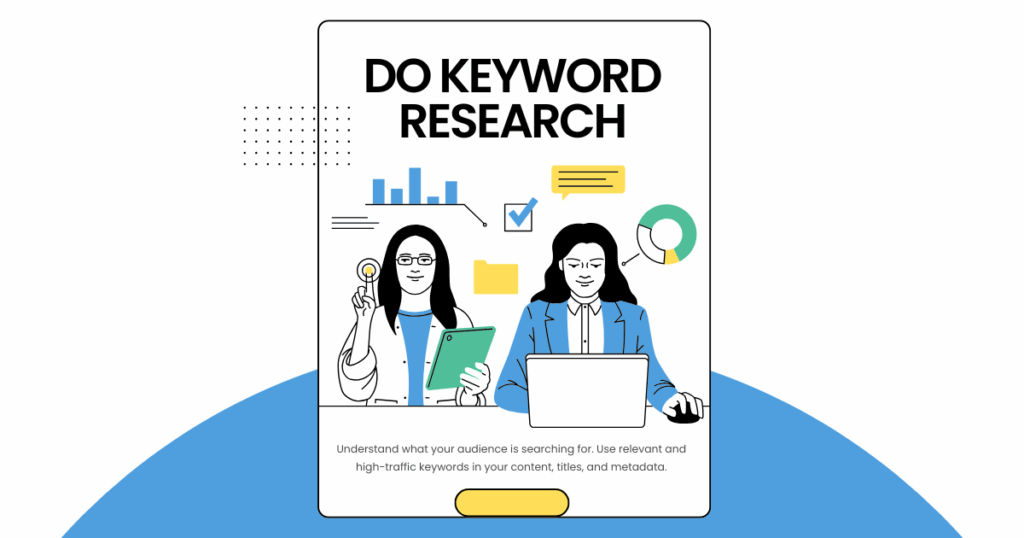
The foundation of any successful onpage SEO strategy is keyword research. Start by identifying the main keyword (like “onpage SEO”) and related long-tail keywords that users might search for. Use tools like:
- Google Keyword Planner
- Ubersuggest
- SEMrush
- Ahrefs
Once you have a list of relevant keywords, select a primary focus keyword for each page and several supporting keywords.
2. Optimize Title Tags
The title tag is one of the most critical onpage SEO elements. It should:
- Include your focus keyword (e.g., Onpage SEO)
- Be between 50–60 characters
- Be engaging and descriptive
Example:
Step-by-Step Guide to Onpage SEO: Rank Higher on Google
3. Craft an SEO-Friendly Meta Description
The meta description doesn’t directly affect rankings but influences click-through rates. Keep it under 160 characters and include the target keyword naturally.
Example:
Learn how to master Onpage SEO with our step-by-step guide. Improve rankings, boost traffic, and optimize your website today.
4. Use Header Tags Properly (H1, H2, H3…)
Use H1 for your main page title and include your focus keyword. Use H2s and H3s to structure your content and include related keywords naturally.
This helps search engines understand the structure and relevance of your content and improves readability for users.
5. Optimize Content with Keywords
Your content should:
- Be valuable and informative
- Include the primary keyword in the first 100 words
- Use variations and LSI (Latent Semantic Indexing) keywords naturally
- Avoid keyword stuffing
Tip: Use bold, italics, or bullet points to highlight key phrases and enhance user engagement.
6. Optimize Images and Multimedia
Images and videos enhance user experience but also impact SEO. Make sure to:
- Use descriptive file names (e.g., onpage-seo-guide.jpg)
- Add alt text that includes keywords
- Compress images for faster loading times
7. Internal Linking
Internal links help search engines crawl your site and distribute link equity across pages. Link to relevant content within your site using anchor text with related keywords.
Example:
Want to learn more about technical SEO? Check out our in-depth guide.
8. Improve URL Structure
URLs should be clean, descriptive, and keyword-rich.
Best Practice Example:
www.example.com/onpage-seo-guide
Avoid using long strings of random characters or unnecessary parameters.
9. Enhance Page Speed
A slow website negatively affects both SEO and user experience. Use tools like Google PageSpeed Insights or GTmetrix to analyze performance and:
- Compress images
- Enable browser caching
- Minimize JavaScript and CSS
10. Ensure Mobile-Friendliness
With mobile-first indexing, your site must be responsive and accessible on all devices. Use a responsive design and test your site with Google’s Mobile-Friendly Test.
11. Implement Schema Markup
Schema markup helps search engines better understand your content. It can also enhance your search listing with rich snippets like star ratings, FAQs, or product info.
Use tools like Schema.org or Google Structured Data Markup Helper.
Final Thoughts
Mastering onpage SEO is essential for any website aiming to rank higher in search engine results. By following this step-by-step guide, you’ll ensure your website is not only search engine-friendly but also user-centric.
Consistency is key—regularly audit and update your onpage SEO practices to keep up with algorithm updates and user behavior trends.
Key Takeaways:
- Start with thorough keyword research
- Optimize title tags, meta descriptions, and headings
- Create valuable, keyword-rich content
- Focus on user experience, site speed, and mobile responsiveness
- Leverage internal linking and structured data
By following these steps, you’ll be well on your way to onpage SEO success.