Industrial Automation Training in the UAE
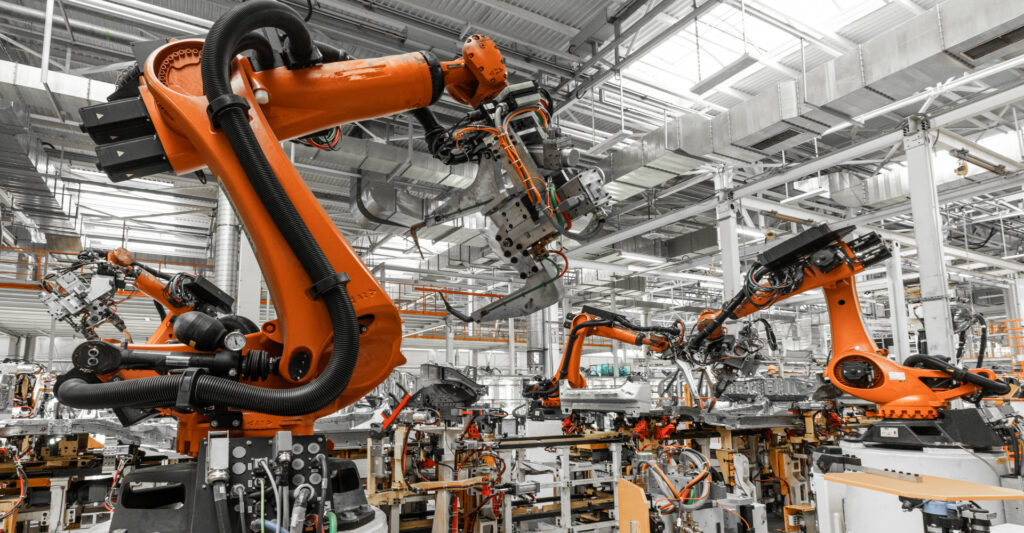
Industrial automation is transforming how businesses operate. It’s all over the place, really, from the factory floor and the production line right through to the warehouse and the processing plant. The aim is to increase productivity, reduce the potential for error, and improve how operations are managed.
But who does the work? Skilled automation people.
As industry across the UAE continues to invest in smart manufacturing, robotics, and automated production, demand is growing for people with practical technical knowledge. Industrial automation training in the UAE is therefore a highly relevant option for engineers, technicians, maintenance professionals, and any fresh graduate interested in industrial technology.
Whether you want to up your technical game or pursue a career in automation, the right training will help you understand how modern industrial systems work.
What is industrial automation and why is it important?
Industrial automation uses control systems, sensors, PLCs, machines, and software to conduct industrial processes with minimal manual input.
For example, in a factory environment, automated systems can control conveyor belts, monitor production temperatures, run machines, and detect faults.
Businesses invest in automation to achieve:
- Better production efficiency.
- Reduced human error.
- Improved product quality.
- Safer industrial operations.
- Consistent manufacturing processes.
- Better equipment monitoring and control.
For UAE businesses exploring advanced manufacturing, automation knowledge underpins operational efficiency and long-term development.
What will you learn in Industrial Automation courses in Dubai?
Industrial Automation courses in Dubai will help learners understand the technology used in industrial environments.
A practical training program should cover these areas:
| Training Module | What You Will Learn |
| PLC Fundamentals | PLC architecture, programming and operation |
| Sensors and Actuators | Input and output devices used in automation |
| Industrial Control Systems | Understanding automated process control |
| HMI | Designing and operating Human-Machine Interfaces |
| SCADA | Monitoring and controlling industrial processes |
| Motor Control | Working with motors, drives and control circuits |
| Troubleshooting | Identifying and resolving automation faults |
These topics help learners connect theory to real-world industrial applications.
Who should join the PLC & Industrial Automation Training in Dubai?
PLC & Industrial Automation Training in Dubai is for those who want to build their technical skills in industrial control and automation.
The program can benefit:
- Electrical and electronics engineers.
- Mechanical engineers.
- Instrumentation engineers.
- Industrial maintenance technicians.
- Production and manufacturing professionals.
- Engineering graduates.
- Technical supervisors.
Even if you have no experience with automation, it makes sense to start with the basics of PLCs, since that’s how you get a feel for how industrial machines talk to each other and operate.
How does PLC training help to build an automation career?
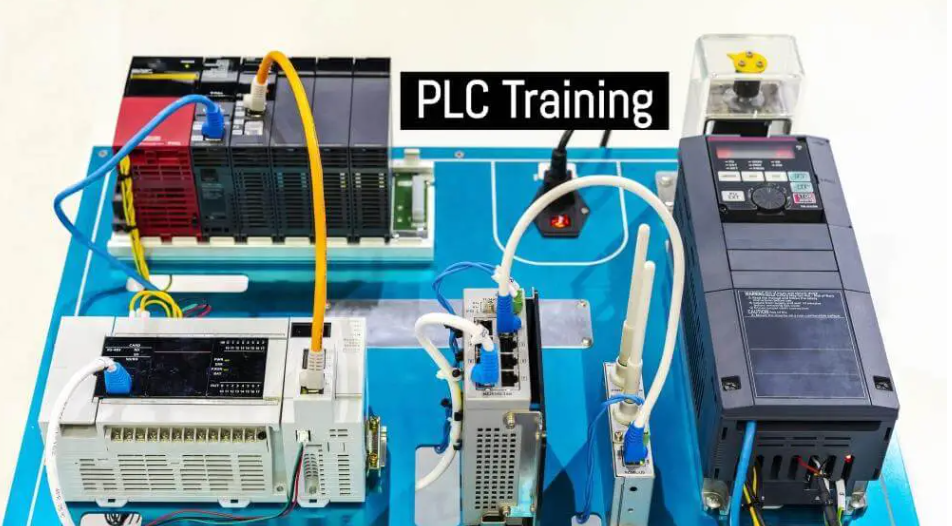
A Programmable Logic Controller (PLC) is a key component of industrial automation. It takes signals from input devices, executes programmed instructions, and controls output devices (motors, valves, alarms, etc.).
For instance, a PLC can control a conveyor belt in response to sensor input or stop a machine when a safety condition is met.
Learning PLC programming helps professionals understand:
- Ladder logic programming.
- PLC inputs and outputs.
- Timers and counters.
- Industrial control circuits.
- Fault identification and troubleshooting.
- Integration with HMI and SCADA systems.
These skills are useful in manufacturing, oil & gas, utilities, food processing, construction, and many other industrial sectors.
How do you choose the best automation training course in Dubai?
Choosing the best automation training course in Dubai is about more than comparing price. You need to look at the practical training, the syllabus, and how relevant it is to the industry.
| Selection Criteria | What to Look For |
| Course Content | PLC, HMI, SCADA and control systems |
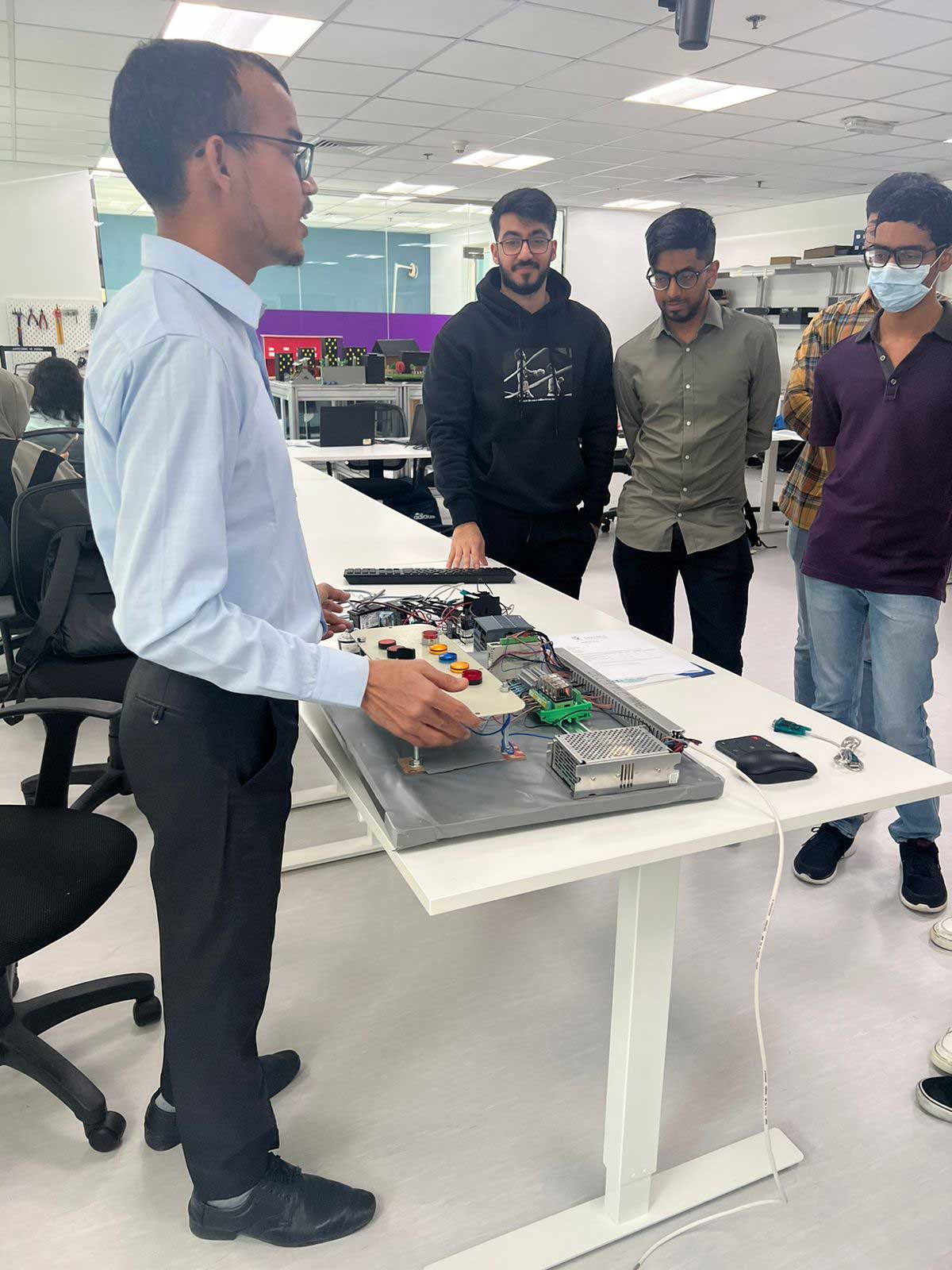
| Practical Training | Hands-on exercises and industrial applications |
| Trainer Experience | Relevant technical and industry knowledge |
| Learning Approach | Practical demonstrations and troubleshooting |
| Career Relevance | Skills applicable to industrial workplaces |
For businesses, investing in employee automation training supports equipment maintenance, production planning, and process improvement.
Why is industrial automation training in the UAE important for businesses?
The UAE is investing in industrial development, advanced manufacturing, and technology-based operations. As businesses automate operations, workforce skills are shifting to include operating, maintaining, and troubleshooting that automation.
Industrial automation training in the UAE can help organizations build technical teams that understand modern production technologies.
For investors and businesspeople, the automation opportunity also extends across industrial equipment, system integration, smart factories, and technical training.
Choosing industrial automation training in the UAE is a sensible move if you’re looking to build the technical knowledge required in an increasingly automated industrial environment.
If you’re looking to upskill or train your staff, explore the range of professional automation training courses available in Dubai and take the next step in your industrial technology journey.
Frequently Asked Questions
Q1. What is industrial automation training?
Industrial automation training teaches you how to operate, program, and troubleshoot automated industrial systems using PLCs, sensors, HMI, SCADA, and related control equipment.
Q2. Is industrial automation training appropriate for the complete beginner?
Yes, beginners can start with the basics of electricity, the concept of a PLC, sensors, and basic control systems before moving on to more advanced areas of automation.
Q3. What is the difference between a PLC and a SCADA system?
PLCs control machines and industrial processes via programmed instructions. SCADA provides a monitoring and supervisory control interface for observing and managing industrial operations.
Q4. Which industries use industrial automation in the UAE?
Manufacturing, oil and gas, utilities, food processing, logistics, construction, and water treatment are among the industries that use industrial automation.
Q5. What career opportunities are available after industrial automation training?
Training can support career development towards roles such as PLC Technician, Automation Engineer, Control Systems Technician, Instrumentation Engineer, and Maintenance Engineer. Actual job requirements depend on qualifications and experience.
Q6. Where can I find industrial automation courses in Dubai?
Look for professional training providers in Dubai that offer practical modules in PLC programming, industrial control systems, HMI, SCADA, and troubleshooting.