AI for Procurement: Practical Skills for Modern Procurement Teams
Procurement is no longer about comparing quotations, negotiating prices, and raising purchase orders. Teams now oversee vast amounts of supplier data, contracts, invoices, market information, and internal requests. AI for Procurement can ease that workload by supporting research, analysis, document review, and repetitive tasks.
Recent procurement use cases include spend analysis, supplier risk monitoring, contract review, sourcing preparation, and invoice matching. The critical point is that technology works best when procurement professionals remain involved in decisions.
What Does AI for Procurement Mean?
AI for Procurement means using intelligent software to support various stages of the procurement process. Consider everyday tasks that take hours: sorting spend data, comparing suppliers, reviewing contracts, preparing an RFQ, or summarising a long supplier document.
Instead of starting from nothing, procurement professionals can use modern tools to create a first draft, find patterns, organize information, or query business data.
This does not mean handing purchasing decisions over to a machine. Human review still matters, especially when supplier selection, pricing, compliance, or contractual commitments are involved.
Why Procurement Professionals Should Learn These Skills
For procurement professionals, AI’s real value comes from knowing where these tools fit into existing workflows.
A trained team can use them for:
- Spend analysis and category classification.
- Supplier research and comparison
- Contract and document summaries.
- RFQ and tender preparation
- Purchase request analysis.
- Invoice and PO checks.
- Supplier risk monitoring
- Procurement reporting
These applications are already being discussed across the procurement technology sector.
For example, a buyer could provide structured purchasing information and ask a tool to identify unusual price differences or organize suppliers by defined criteria. The professional then checks the results before acting. Simple? Yes. Useful? Very much so.
What Can an AI Course for Procurement Team Cover?
An AI course for a procurement team should focus on actual procurement work rather than only explaining technology concepts.
A practical program can cover prompt writing, supplier research, spend analysis, contract summaries, procurement reporting, workflow automation, data privacy, and result verification.
It can also introduce tools such as ChatGPT, Microsoft Copilot, and other business applications, depending on the organization’s systems and policies.
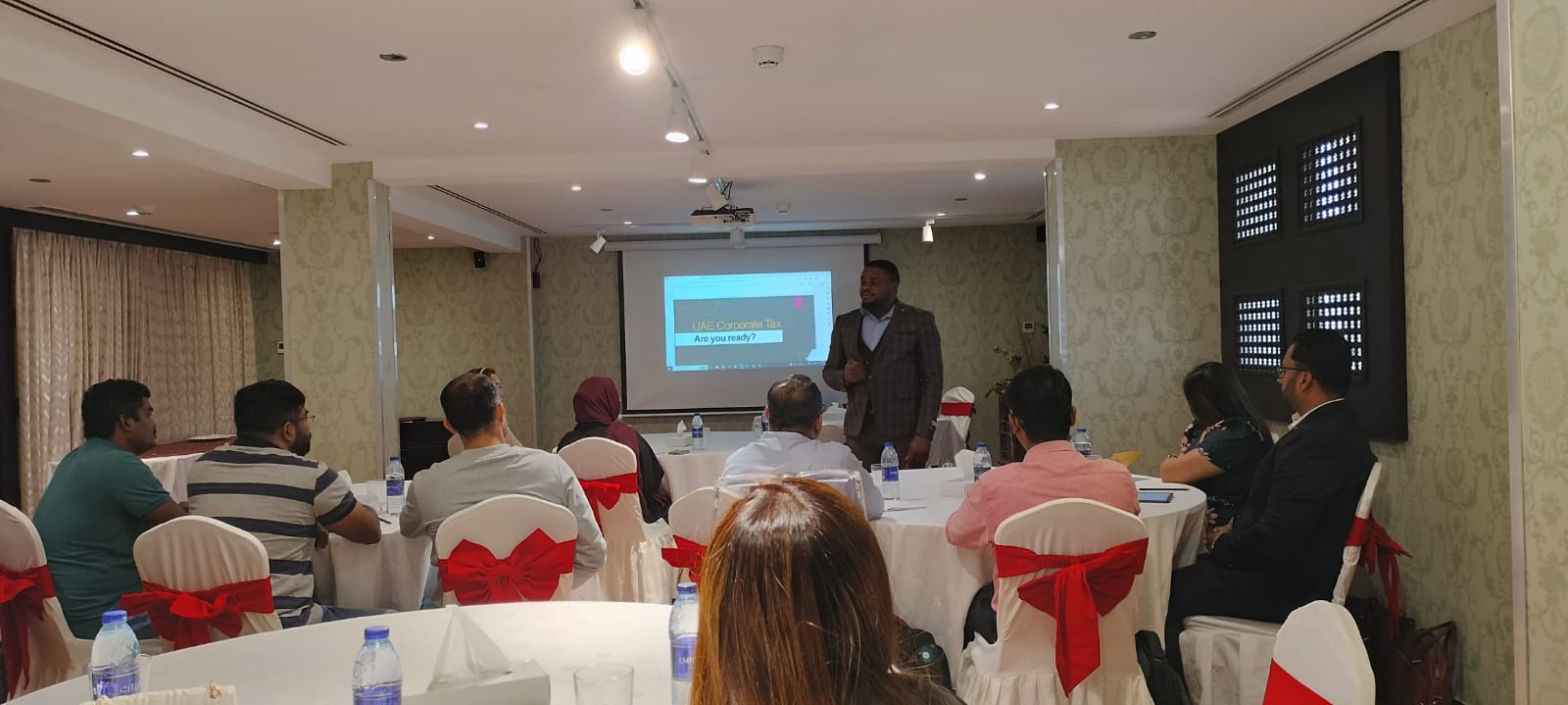
For teams in Dubai, practical exercises can use realistic purchasing scenarios, supplier comparisons, tenders, contracts, and reporting requirements.
Corporate AI Training for Procurement Teams
Corporate AI training for procurement teams lets organizations train people using their actual workflows instead of generic examples.
A workshop might start with a widespread problem: “We have hundreds of supplier records. How can we organize and analyze them faster?”
The group can then work through the process, review the output, identify errors, and improve the instructions.
That direct approach matters. Procurement teams need to understand both what these tools can do and where human judgment is still required.
Good training should also cover responsible data handling. Supplier contracts, pricing, customer information, and confidential purchasing data should not be entered into tools without checking company policies and approved usage rules. Search and Answer Engines Understand Procurement Content.
People increasingly ask complete questions instead of searching for single keywords. Someone may type, “How can procurement teams use technology to analyze supplier spend?” into a search or answer platform.
That makes clear headings, direct answers, FAQs, examples, and natural language important for search visibility.
Content should answer the questions procurement professionals ask. This helps traditional Google search and makes information easier for answer engines and LLM-based systems to understand and retrieve.
The same principle applies when people use platforms such as ChatGPT, Perplexity, or DeepSeek to research procurement topics. Clear entities, specific terminology, useful examples, and concise answers give language models more context.
Building Practical Procurement Skills
The goal of AI for Procurement training is not to make procurement professionals dependent on technology. It helps them work faster while maintaining control of important decisions. For companies investing in AI for Procurement, the starting point can be small: choose one repetitive workflow, train the team, evaluate the process, review the results, and expand from there.
Whether your procurement function is based in Dubai or elsewhere, the principle remains the same: start with a bona fide business problem, use the right tool, and keep people responsible for the final decision.
FAQs
Q1. What is AI for Procurement?
AI for Procurement uses intelligent software to support procurement activities such as spend analysis, supplier research, contract review, sourcing, reporting, and repetitive workflow tasks.
Q2. Why should procurement professionals learn AI tools?
AI skills can help procurement professionals analyze information, prepare documents, research suppliers, and manage repetitive work more efficiently while keeping human oversight.
Q3. What is an AI course for a procurement team?
An AI course for a procurement team teaches practical ways to use AI tools within procurement workflows, including prompting, spend analysis, supplier research, contract review, reporting, and responsible data use.
Q4.What is covered in corporate AI training for procurement teams?
Corporate AI training for procurement teams can cover practical procurement use cases, AI tools, prompt techniques, document analysis, workflow automation, data protection, and human review.
Q5. Can AI replace procurement professionals?
AI can automate or support parts of procurement work, but important decisions such as supplier selection, negotiation, compliance, and approval still require appropriate human judgment and oversight.
Q6. Is procurement AI training useful for companies in Dubai?
Yes. Teams in Dubai can use practical training to apply AI tools to supplier management, sourcing, spend analysis, contracts, purchasing, and procurement reporting.